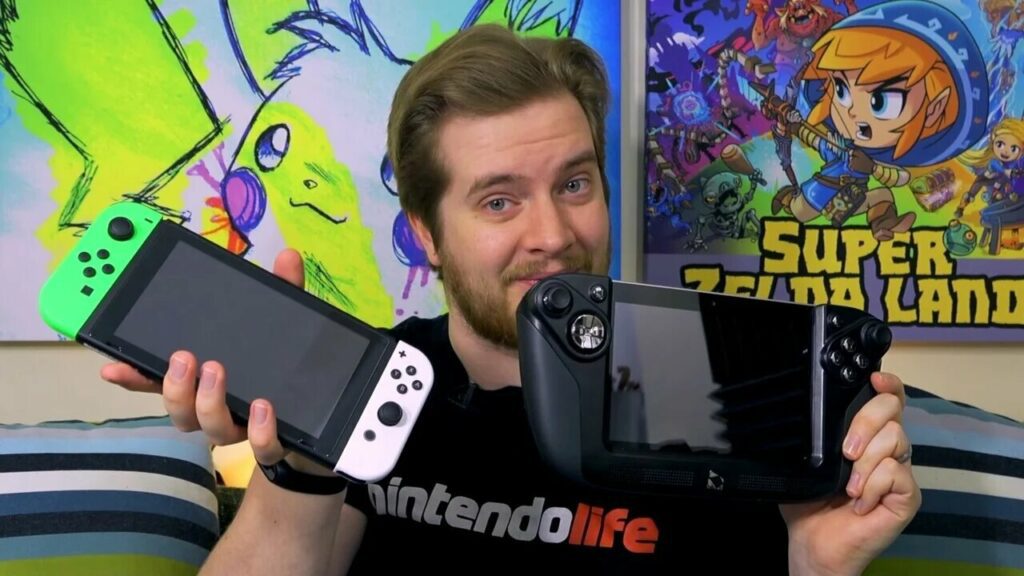
I have owned more of these things than I care to admit. At one point I had five retro handhelds lined up on my desk, each running a different firmware, each claiming to be the best way to relive the games I grew up with. Some delivered. A few disappointed me in ways that took hours of troubleshooting to even understand. And one of them, I am still reaching for almost every single day.
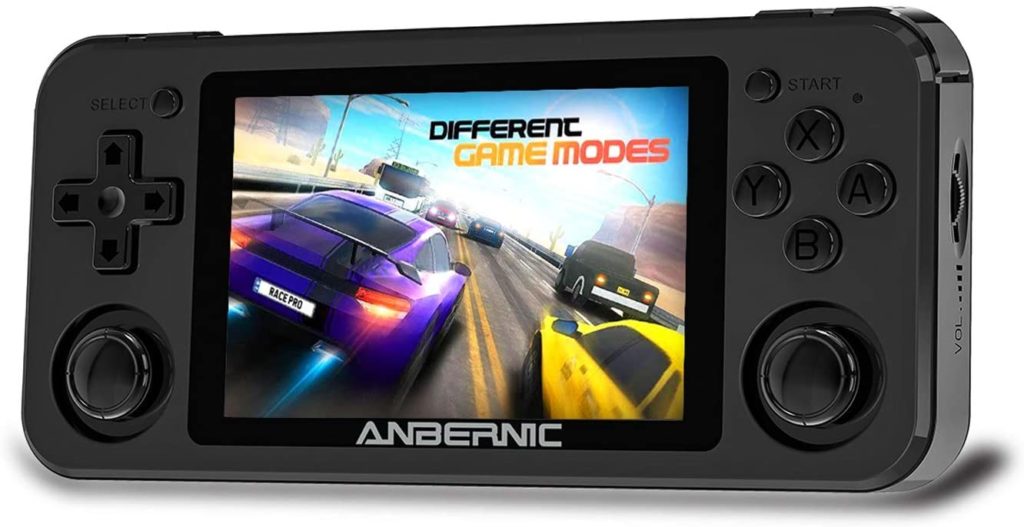
The market for retro gaming handhelds in 2026 is genuinely the healthiest it has ever been. A revival of handheld gaming is currently taking place, and the hardware coming out of manufacturers like Anbernic, Retroid, and Miyoo is better than anything this space has produced before. But the sheer number of options makes picking the right one genuinely confusing, especially when 3it is easy to get lost in the sea of choices, with multiple devices looking alike and having seemingly the same capabilities.
This guide cuts through that noise. I have tested devices across every major price tier, from sub-$60 pocketables to full-blown Android emulation machines pushing GameCube and PS2. Every recommendation here is based on hands-on experience, verified specs from official manufacturer pages, and real community feedback from the r/SBCgaming and r/RetroHandhelds communities. No sponsored picks. No vague recommendations. Just what actually works and why.
What Is a Retro Gaming Handheld? (And Why They Are So Popular Right Now)
A retro gaming handheld is a portable device built specifically to emulate classic game consoles, typically through software emulators running on modern hardware. Retro gaming has surged in popularity over the past decade, with classic titles from the Game Boy, NES, and Sega Genesis finding new life through digital means, and among the most accessible ways to relive these experiences are retro handheld emulation devices.
The appeal is simple: decades of gaming history in something that fits in a jacket pocket. You are talking about NES, SNES, Sega Genesis, Game Boy Advance, PlayStation 1, N64, Dreamcast, PlayStation 2, and even GameCube on hardware that costs less than a new AAA game release. In the 1990s, handhelds hit the mainstream with beloved consoles such as the Nintendo Game Boy and the Sega Game Gear, and more recently the Nintendo Switch continues to thrive as one of the best-selling consoles of all time. The new wave of retro handhelds is building on that same portability appeal but with massively expanded capability. Being able to easily transport your games wherever you go has a definite appeal, and for many people playing on a portable device with a smaller screen is the perfect way to enjoy retro games or even more modern titles.
Are Retro Gaming Handhelds Legal in 2026?
This is the question everyone asks and almost nobody answers clearly. Let me be direct with you.
The hardware itself is completely legal. Owning and using retro game consoles, whether original hardware or emulation setups, is not illegal. The legal complexity sits with the ROMs, not the consoles themselves. The devices from Anbernic, Retroid, Miyoo, and every other major manufacturer are perfectly legal products. Buying one, owning one, and using one does not expose you to any legal risk whatsoever.
Emulator software is also legal. Emulators are legal. This was settled in US federal courts in 2000 and has not changed. These court cases set a precedent that has protected emulator developers for over two decades, and as of 2026, no court has ever ruled that creating or distributing an emulator is illegal.
Where things get complicated is ROMs. A ROM is a digital copy of a physical game cartridge or disc. Downloading or distributing ROMs of commercially available games without permission violates copyright law in most jurisdictions, even if you own the original game. That is the legal line. The single most important principle that separates a responsible retro gamer from a copyright infringer is this: if you do not own the physical game, you should not possess a digital copy of it.
The 2026 Nintendo enforcement situation. The first half of 2026 was a dramatic stretch for emulation. In February, Nintendo issued a large wave of legal takedowns that the community started calling the Great Takedown, which reshaped the Switch emulation scene almost overnight. But crucially, if you are a normal handheld owner, the hobby is fine. Emulator software remains legal and widely available. The takedowns targeted specific projects, not emulation as a whole. Nobody has ever been sued for personally playing ROMs. Nintendo’s enforcement targets ROM sites, emulator developers, and pirates, not individual players.
What about the R36S and similar ultra-cheap preloaded devices? Devices sold with thousands of preloaded games raise the most significant legal questions. These devices often come with a tempting promise of plug-and-play access to decades of beloved games, but behind that convenience lies a complex web of copyright law, ethical considerations, and potential risk. The safe approach is always to source your own ROM library from games you physically own, or to use legal digital storefronts like Nintendo eShop Virtual Console, GOG, or Capcom’s official arcade collections.
How to Choose a Retro Gaming Handheld: The Real Decision Points
Before I list every device, understand what actually determines which one you should buy.
What systems do you want to emulate? This is the single most important question. A device that runs NES, SNES, Game Boy Advance, and PS1 perfectly might completely fall over on N64, Dreamcast, or GameCube. Be specific about what you actually want to play.
What form factor works for your life? A shirt-pocket device that you carry everywhere is genuinely different from a home couch device you pick up occasionally. The best handheld is the one that actually travels with you.
Android versus Linux firmware. Android-based handhelds like the Retroid Pocket line give you access to the Google Play Store, cloud gaming services like Xbox Game Pass and GeForce Now, and native Android games alongside emulation. Linux-based devices like the Miyoo Mini Plus run leaner, load faster, and work brilliantly for pre-PS2 libraries, but they do not give you the app flexibility of Android.
Hall-effect sticks versus standard analog sticks. Stick drift is the single most common long-term failure mode in handheld controllers. Hall-effect joysticks use magnetic sensors instead of physical contact points, which means they resist drift by design. If you are paying over $100 for a handheld, I would not buy one without them in 2026.
| Feature | Budget ($40-$80) | Mid-Range ($100-$180) | Premium ($200+) |
|---|---|---|---|
| Target Systems | NES, SNES, GBA, PS1 | + N64, Dreamcast, PSP | + GameCube, PS2, Wii |
| Display | IPS LCD | IPS or AMOLED | AMOLED 120Hz |
| Hall-Effect Sticks | Sometimes | Usually | Yes |
| Android | No (Linux) | Some | Yes |
| Battery Life | 5-7 hours | 6-8 hours | 8-10 hours |
| Example Device | Miyoo Mini Plus | Anbernic RG556 | Retroid Pocket 6 |
| Approx Price | $50-$80 | $130-$185 | $200-$250 |
The Best Retro Gaming Handhelds in 2026: Full Reviews
Retroid Pocket 6: The Best Overall Retro Handheld in 2026
If I could only recommend one device right now, it would be the Retroid Pocket 6. I have been using it as my primary handheld for several months and I have run into almost nothing it cannot handle. Retroid dropped a Snapdragon 8 Gen 2 into a handheld at this price point. The RP6 features a Snapdragon 8 Gen 2 that handles PS2, GameCube, and Wii without compromise, a 5.5-inch 120Hz AMOLED screen at 400ppi with true blacks and stunning colour accuracy, a 6,000mAh battery delivering best-in-class endurance, and 3D Hall-effect analog sticks that are drift-free by design. Built around the Qualcomm Snapdragon 8 Gen 2 with 8GB or 12GB LPDDR5X RAM and a 5.5-inch AMOLED 1920×1080 display, its documented emulation ceiling is Nintendo Switch at full speed, placing it in the premium retro tier for Android-based emulation and game streaming. At $249, it comfortably handles GameCube, PS2, and light Nintendo Switch emulation. The Model A and Model B layout options, where you choose between D-pad on top or joystick on top, is a thoughtful detail that Retroid got right by acknowledging that not everyone comes from the same controller background. Cooling is enhanced with a combination of an active cooling fan and copper heat pipes with a new dust filter. The controls use a crystal material for the ABXY buttons with Hall-effect sticks with LED lighting, plus newly added M1 and M2 macro buttons on the back. It includes a USB Type-C port supporting video output and 27W fast charging alongside a 3.5mm headphone jack. The battery is 6,000mAh with 27W charging and the device weighs approximately 304g.
Where I do think the RP6 slightly stumbles is the same place every Android handheld does: initial setup. Getting RetroArch configured, sourcing emulator apps, and setting up your ROM library takes time and some patience. If you want pure plug-and-play simplicity, the RP6 asks more of you than a dedicated Linux handheld. But once that setup is done, nothing in this price bracket touches it.
Who it is for: Anyone who wants one device for PS2, GameCube, Wii, and Android gaming with the screen quality to match. Who should skip it: Players who only want pre-PS1 gaming and do not need Android. Save your money on a Miyoo Mini Plus or TrimUI Brick.
Specs at a glance: Snapdragon 8 Gen 2 | 5.5-inch 1080p AMOLED 120Hz | 8GB or 12GB RAM | 6,000mAh battery | Wi-Fi 7 | Bluetooth 5.3 | Hall-effect sticks | Android 13 | ~$249
Anbernic RG556: The Big-Screen Mid-Range Pick
The Anbernic RG556 is the device I reach for when I want a big, comfortable screen and do not need the full power of a Retroid Pocket 6. It sits in a genuinely useful middle ground. The RG556 is a 5.48-inch Android-based emulation handheld with an AMOLED display powered by the Unisoc T820 processor. The specs include a Unisoc T820 CPU, Mali-G57 GPU, 8GB of RAM, 128GB of internal storage, built-in Wi-Fi and Bluetooth, and a 5,500mAh battery giving you around 8 hours of average use. The RG556 has become more interesting in 2026 for one simple reason: price. Anbernic currently lists the black standard model at around $180, down from its original launch pricing. At that price, the conversation changes. In 2026, the RG556 is best understood as a comfortable, big-screen Android handheld for PSP, Dreamcast, GameCube, lighter PS2, streaming, and Android games. 11 The official spec sheet lists Hall joysticks, Hall triggers, a six-axis gyro, active cooling, FOTA updates, streaming, wireless screencasting, USB-C 1080p DisplayPort output, vibration, and a 3.5mm headphone jack.
The Unisoc T820 does run slightly warmer than I would like under sustained GameCube loads, and it does not match the Retroid Pocket 6 on demanding PS2 titles. But for most retro gaming use cases, the RG556 handles everything you throw at it without fuss. The 5.48-inch AMOLED is genuinely gorgeous for the price.11 The RG556’s 5.48-inch AMOLED panel is the feature that keeps it relevant. I agree with that assessment. The screen alone justifies considering it over lighter alternatives in the same price bracket.
Specs at a glance: Unisoc T820 | 5.48-inch 1080×1920 AMOLED | 8GB RAM | 5,500mAh | Android 13 | Hall sticks and triggers | ~$180-$185
Miyoo Mini Plus: The Best Budget Retro Handheld Under $80
I have lent my Miyoo Mini Plus to three different people in the last year and none of them wanted to give it back. That tells you everything you need to know about why this device keeps appearing on best-of lists despite being the least powerful thing on them. The Miyoo Mini Plus is still one of the easiest retro handhelds to recommend in 2026 because it knows exactly what it is: a tiny, inexpensive, vertical Linux handheld for 8-bit, 16-bit, arcade, and PlayStation 1 gaming. Miyoo describes the Mini Plus as a compact Linux handheld with a 3.5-inch 640×480 IPS screen, Wi-Fi connectivity, microSD expansion, and a 3,000mAh battery. Miyoo’s official store currently lists the Mini Plus at around $56.99 for 64GB colour variants during sale windows, with a regular price of around $79.99. The Miyoo Mini Plus handles everything up to PS1 comfortably. Game Boy, GBA, NES, SNES, Genesis, and PS1 run at full speed. N64 is technically possible on some lighter titles but is not recommended. Dreamcast and PSP are beyond its capability. Onion OS, the custom firmware most users install, optimises the limited hardware beautifully and wrings every drop of performance from the chip. The Onion OS community is one of the most active in the retro handheld space, which means new themes, bug fixes, and emulator updates arrive regularly. That ongoing support is part of what makes this device feel more premium than its price suggests.
What it gets wrong: no analog sticks at all, which rules out any 3D games entirely. No HDMI output. No Android. For those limitations, I would step up to the TrimUI Brick or Anbernic RG35XX H.
Best for: First-time buyers, gifts, commuters, players who want Game Boy to PS1 and nothing more. Skip if you want: Analog sticks, N64, PSP, Dreamcast, or GameCube.
Specs at a glance: ARM Cortex-A7 | 3.5-inch 640×480 IPS | 256MB RAM | 3,000mAh battery | Linux (Onion OS) | ~$57-$80
Analogue Pocket: The Premium Choice for Cartridge Collectors
The Analogue Pocket sits in a completely different category from everything else on this list. It does not emulate through software. It uses FPGA hardware, which stands for field-programmable gate array, to recreate the original hardware logic of classic systems at a circuit level. That means the accuracy is closer to running the original hardware than any software emulator can achieve.7 The Analogue Pocket natively plays original Game Boy, Game Boy Color, and Game Boy Advance cartridges out of the box. With optional adapters, it also supports Game Gear, Neo Geo Pocket, Atari Lynx, and TurboGrafx-16. If you have a collection of original Game Boy, GBA, or other classic handheld cartridges and want to play them on premium hardware with a stunning display, the Analogue Pocket absolutely justifies its $219 price. If accuracy matters more than anything else, the Analogue Pocket is the choice. It is the closest thing to playing on original hardware with a modern screen. The build quality is exceptional. The display is sharp and bright. If you have a physical cartridge collection you want to preserve and experience properly, nothing else comes close.
Where it falls short: if you do not own physical cartridges, the Analogue Pocket offers less value than an Android emulation device. It does not run ROMs by default, although the community has developed open-source cores that allow it to do so with some setup. For pure emulation-from-files use, the Retroid Pocket 6 or Anbernic RG556 are more practical.
Specs at a glance: FPGA architecture | 3.5-inch 1600×1440 LCD | plays physical Game Boy, GBA, Game Gear, Neo Geo Pocket cartridges | ~$219
Anbernic RG Cube: The Quirky Pick That Earns Its Place
The Anbernic RG Cube is an oddball portable with a perfectly square screen and a similar horizontal layout to the Steam Deck. That blend of old and new helps it run everything from NES and SNES classics to even PS2 and DS adventures. The Anbernic RG Cube comes with a sturdy build quality and an equally solid battery life. I tested it for two weeks and what surprised me most was how natural the square screen format feels for classic console games. Most retro titles were designed for a 4:3 display, and the square screen represents that ratio without any stretching or black bars.
It is not for everyone. The form factor is unusual. Some people will find it uncomfortable for extended sessions, while others, myself included, end up preferring it for classic console gaming. If you are shopping for something different from the standard horizontal rectangle design that dominates this market, the RG Cube is worth considering seriously.
Evercade Nexus: The Only Fully Legal Option
The Evercade stands completely apart from every other device on this list. 8The Evercade sits apart from the others because it is the only legitimate, licensed option. Every other device on this list exists to play ROMs. Evercade exists to sell you a proper physical product, and in 2026, with the Nexus launching and the cartridge library growing past 80 collections, it has never been a stronger proposition.
The games on Evercade cartridges are officially licensed compilations from publishers like Atari, Capcom, Data East, and dozens of smaller developers. You are buying genuine, legitimate copies of classic games, which means zero grey area on the legality front. If the ROM question genuinely worries you and you want a retro gaming experience without any ambiguity, Evercade is the answer.
The trade-off is library depth. 80 cartridge collections is a solid number, but it does not come close to the breadth available through emulation. You are also buying into a specific catalogue rather than bringing your own library. For some players that constraint is fine. For enthusiasts who want everything, it is limiting.
TrimUI Brick: The Best Budget Pick Under $60 Right Now
Many enthusiasts ask whether the Miyoo Mini Plus is still worth buying in 2026. The answer is yes for those who prioritise the ultra-compact form factor, but the TrimUI Brick offers a more modern H700 processor and a larger battery for just a few dollars more. It provides a sturdy, tactile experience that feels substantial in the hand, making it perfect for 8-bit and 16-bit libraries. 4 The TrimUI Brick punches above its weight at the budget end. It fits in any pocket and feels like a premium product without the premium cost. I bought one specifically to test against the Miyoo Mini Plus, and I came away thinking TrimUI has quietly built something genuinely impressive at this price tier.
Anbernic RG35XX H: The Best Entry-Level Pick for Pre-PS1 Gaming
The RG35XX H is the easiest recommendation for anyone who just wants to play pre-PS1 era games without spending real money or learning a new interface. Its horizontal, dual-analog-stick layout fixes the biggest complaint about earlier RG35XX models, and the Linux-based firmware runs NES, SNES, Genesis, Game Boy Advance, and most PS1 titles without tinkering. It will not touch anything demanding, including N64 open-world games at full speed or Dreamcast. For a first retro handheld, a kid’s device, or a backup unit to leave in a bag, it is hard to beat the value.
Steam Deck OLED: The Ultimate Retro Machine for PC Gamers
The Steam Deck OLED is not marketed as a retro device, but it has become one of the most capable retro gaming handhelds simply because it is a full PC. Install EmulationStation or RetroArch alongside your Steam library and it comfortably handles everything through GameCube and PS2, with plenty of headroom left over for modern games. The vibrant OLED screen and long battery life make long emulation sessions genuinely pleasant.
I use my Steam Deck OLED as a retro gaming device regularly, and the experience is superb. If you already have one or are planning to buy one for PC gaming, you do not need a dedicated retro handheld. Check out our detailed Steam Deck review for the complete breakdown. Memory chip shortages pushed prices up sharply in 2026, and the Steam Deck is noticeably larger and heavier than the dedicated retro handhelds, so it is not the most pocketable option. If portability is the priority, a dedicated device still wins.
Full Comparison Table: Best Retro Gaming Handhelds 2026
| Device | Price | Chipset | Display | Max Emulation | Hall Sticks | OS | Battery |
|---|---|---|---|---|---|---|---|
| Retroid Pocket 6 | ~$249 | Snapdragon 8 Gen 2 | 5.5″ AMOLED 120Hz | Switch (light) | Yes | Android 13 | 6,000mAh |
| Anbernic RG556 | ~$185 | Unisoc T820 | 5.48″ AMOLED | PS2/GameCube (light) | Yes | Android 13 | 5,500mAh |
| Anbernic RG Cube | ~$100 | Unisoc T820 | 4″ IPS (square) | PS2/DS | Yes | Android 12 | 5,000mAh |
| Analogue Pocket | ~$219 | FPGA | 3.5″ 1600×1440 LCD | GBA/Game Gear (cartridge) | No | Proprietary | 4,300mAh |
| Miyoo Mini Plus | ~$57-$80 | ARM Cortex-A7 | 3.5″ IPS 640×480 | PS1 | No | Linux/Onion OS | 3,000mAh |
| TrimUI Brick | ~$55-$65 | Allwinner H700 | 4.96″ IPS | PS1/N64 (basic) | No | Linux | 4,000mAh |
| Anbernic RG35XX H | ~$40-$55 | H700 | 3.5″ IPS | PS1 | Yes (basic) | Linux | 3,000mAh |
| Evercade Nexus | ~$100-$130 | ARM Cortex-A35 | 4.3″ IPS | Licensed cartridges only | No | Proprietary | 4,200mAh |
What About Handhelds With 20,000 Preloaded Games?
You have probably seen them. Devices on Amazon and AliExpress advertising 10,000, 20,000, or even 30,000 preloaded games at prices that seem impossibly low. Companies like the generic R36S and similar clone brands sell these aggressively.
Here is the honest assessment: companies such as Anbernic, Retroid, and Powkiddy have released handheld devices capable of running emulators and playing hundreds or thousands of retro games out of the box, and many are sold on platforms like Amazon, AliExpress, and eBay, often advertised as plug-and-play systems.
The hardware itself can be functional. The R36S, for example, is a real device with real emulation capability for pre-PS1 systems. The problem is that the preloaded game files are almost universally unlicensed ROMs, which puts the device firmly in legal grey territory. The game counts are also inflated: many lists include multiple region variants and hacks that count as separate entries. A device with “20,000 games” often has closer to 500 unique titles, with the rest being regional duplicates.
My recommendation is to buy from reputable manufacturers like Anbernic, Retroid, or Miyoo, and set up your own ROM library from games you own. The quality difference is significant and you avoid any ambiguity about what you are holding.
How to spot a fake R36S: The genuine R36S uses an Allwinner H700 chip. Fakes often ship with lower-spec chips and are identified by inconsistent button labelling, no brand name on the unit itself, and a power button that sits flush rather than slightly raised. Community tools like the r/SBCgaming wiki maintain updated fake identification guides.
Are Retro Gaming Handhelds Worth It in 2026?
Genuinely, yes. Retro gaming has surged in popularity over the past decade, with classic titles from the Game Boy, NES, and Sega Genesis finding new life through digital means. The hardware behind these devices has matured to the point where even a $50 Miyoo Mini Plus runs NES, SNES, and GBA games with accuracy and speed that would have required expensive hardware just a few years ago.
People are going back to retro gaming for reasons that make complete sense in 2026. Modern AAA games increasingly require 100-hour commitments, internet connections, live service updates, and significant hardware investment. A Game Boy Advance game from 2002 loads in seconds, has no microtransactions, and ends when you finish it. That design philosophy has genuine appeal when modern gaming can feel exhausting.
The best retro handhelds also work as a gateway to gaming history that is otherwise genuinely inaccessible. Original SNES cartridges now routinely sell for $30 to $100 or more. Copyright terms for most commercial games extend 70 or more years past the author’s death, and there is no legal abandonware status in most countries. Publishers like Capcom, Nintendo, and Sega have responded with official digital collections, which are always the best way to support the developers who made the games you love.
How to Set Up a Retro Handheld Properly: Quick Start Guide
Whether you have just ordered your first device or are setting up a new one, here is the process that actually works.
Step one: Install the best custom firmware. For Miyoo devices, that is Onion OS. For Anbernic Linux devices, ROCKNIX is the current community favourite. For Android devices like the Retroid Pocket 6, the stock software is good but pairing it with RetroArch from the Google Play Store significantly improves the experience.
Step two: Get your ROM library sorted before anything else. Organise your files by system, name them cleanly, and use a tool like Skraper to pull box art and metadata. A well-organised library makes the whole experience dramatically better.
Step three: Install RetroArch. These devices are specifically tuned for RetroArch performance, offering low-latency input and shaders that accurately recreate the look of vintage CRT televisions. The CRT shader options in RetroArch genuinely change how classic games look. Running a SNES game through a good CRT shader on an AMOLED screen is one of the best-looking ways to experience these titles in 2026.
Step four: Configure your controls once per system. Spend 20 minutes setting button mappings for each emulator you use regularly. This upfront investment saves hours of frustration later.
Step five: Enable save states. Every retro handheld supports save states, which let you save and resume from any point in a game. Use them. You do not have to play like it is 1993.
Why Are Retro Games So Expensive Now?
Original cartridges have become genuinely collectible items, and prices reflect that. A copy of Earthbound on SNES regularly sells for several hundred dollars. Stadium Events on NES is considered one of the rarest cartridges in existence and has sold for thousands.
The rarity comes from limited print runs, cartridge degradation, and the fact that a lot of original hardware and software was discarded before anyone understood its future value. Combine that with a growing collector market and genuine nostalgia demand, and prices trend upward every year.
This is part of why emulation feels morally complicated for some people. The games are expensive to own physically, officially out of print, and the original publishers often no longer exist. Those are the arguments made in favour of ROM preservation. The counter-argument is that many publishers do release their classic catalogues digitally, and buying those versions is the straightforward path. Nintendo eShop Virtual Console, the Capcom Fighting Collection, Sega Genesis Classics, and similar releases make a large portion of the classic catalogue available legally at reasonable prices.
Retro Gaming Handhelds and Kids: What Parents Should Know
Retro handhelds are genuinely excellent for younger players. The games themselves are overwhelmingly age-appropriate compared to modern releases. Game Boy Advance, NES, and SNES titles were made for family audiences and hold up brilliantly for kids discovering them for the first time. The Super Pocket Capcom Edition is the safest choice for beginners or gifts. It runs licensed Capcom content out of the box with zero setup required, which makes it ideal for a child’s gift or for anyone who does not want to deal with firmware and ROM management.
The Miyoo Mini Plus is my personal recommendation for kids. It is small enough for small hands, durable enough to survive being dropped, inexpensive enough that it is not a disaster if something goes wrong, and the Onion OS interface is intuitive enough that children figure it out quickly.
For a gift, pair it with a pre-loaded microSD card that you have set up yourself. It is worth the extra hour of setup to deliver something that works the moment it is opened.
Retro Gaming Handhelds vs Modern Handhelds: Should You Buy a Nintendo Switch 2 Instead?
This comes up constantly in the community and the honest answer is: they serve different needs.
The Nintendo Switch 2 is a platform for current-generation games with official developer support, a curated library, and Nintendo’s quality control across every title. If you want to play current releases, there is no emulation handheld that substitutes for it. Check out our guide to the best Nintendo Switch 2 games in 2026 and best Nintendo Switch 2 accessories if that is your direction.
A retro gaming handheld does something fundamentally different. It gives you access to gaming history, portably, at a much lower entry price. The Retroid Pocket 6 at $249 with a full retro library costs less than a Nintendo Switch 2 alone, before you buy a single game. If your goal is nostalgia, preservation, and classic games, the dedicated retro device wins on value every time.
For hardware recommendations to pair with your gaming setup, our guide to the best gaming devices as graduation gift ideas covers handhelds alongside other gear, and our best RPG games article pairs nicely with handheld gaming if you are building a retro RPG library.
FAQ: Retro Gaming Handhelds in 2026
Are retro gaming handhelds legal?
The hardware and emulator software are both legal. Emulation software such as RetroArch, RetroPie, and Batocera is legal open-source software. Where legality gets complicated is ROM files, where downloading ROMs for games you do not own a licensed copy of exists in a legal grey area under copyright law in most jurisdictions.
Are Anbernic devices illegal?
Anbernic devices are completely legal products. Anbernic’s devices run Linux-based firmware, typically ROCKNIX or ArkOS, and the setup experience is more polished than it used to be. What you load onto them determines the legal status of your usage.
Is the R36S legal?
The R36S device itself is legal hardware. Devices that come preloaded with thousands of unlicensed ROM files raise copyright concerns about those specific game files. The device as a piece of hardware is not illegal.
What handheld gaming console has 20,000 games?
Devices marketed with 20,000 or more preloaded games are almost always shipping unlicensed ROM files. The game counts are often inflated by including multiple regional versions of the same title.
Can the R36S run GTA 5?
No. GTA V requires hardware significantly more powerful than any dedicated retro handheld. The R36S is designed for NES, SNES, GBA, and PS1 emulation. If you want to play GTA V on a handheld, the Steam Deck is the only realistic option. You can check out our full breakdown of GTA V mods for PC while you are there.
Are retro game consoles legit?
Yes, from manufacturers like Anbernic, Retroid, Miyoo, and Analogue Pocket they are completely genuine, well-supported hardware products with active community development around them.
Is jailbreaking a console illegal?
Jailbreaking console hardware sits in complex legal territory that varies by jurisdiction. In the United States, the legality of console modification has been contested in courts. This article does not constitute legal advice. Consult a qualified attorney for jurisdiction-specific guidance.
Why is retro gaming still so popular in 2026?
Because the games are good. Decades of perspective have identified the genuinely brilliant titles from each era. Playing Super Metroid, Chrono Trigger, or Castlevania: Symphony of the Night on a modern handheld with a sharp screen, save states, and CRT shaders is a better experience than playing them on original hardware in many ways. And the simplicity and commitment-light design of classic games appeals deeply to players who feel overwhelmed by modern releases.
What is the rarest retro game?
Stadium Events for the NES is frequently cited as one of the rarest commercially released cartridges, with complete copies in good condition selling for thousands of dollars at auction. Within the collector community, complete-in-box variants of limited-run games from smaller publishers are often considered rarer than headline titles.
What is the number one game in history by sales?
Minecraft remains the best-selling video game of all time, with over 300 million copies sold across all platforms according to Microsoft’s figures. For a completely different type of gaming content, our best Minecraft mods guide is worth a read alongside this one.
Final Verdict: Which Retro Gaming Handheld Should You Actually Buy?
After testing everything from the cheapest budget options to the current Android flagship, here is where I land.
Buy the Retroid Pocket 6 if you want the best Android emulation handheld money can buy right now and you need GameCube, PS2, and Wii capability alongside Android gaming and cloud streaming. 6The Retroid Pocket 6 is undeniably the best retro handheld 2026 has produced, merging flagship performance with a stunning OLED display.
Buy the Anbernic RG556 if you want a big AMOLED screen and solid mid-range performance at a lower price point than the RP6. It handles the vast majority of retro gaming use cases beautifully.
Buy the Miyoo Mini Plus if budget is your primary constraint and your library stops at PS1. It is the most charming and pocketable option at any price.
Buy the Analogue Pocket if you have a physical cartridge collection you want to experience on excellent modern hardware with FPGA accuracy.
Buy the Evercade Nexus if you want zero legal ambiguity and a licensed cartridge library without any setup friction.
Retro gaming in 2026 is not nostalgia for nostalgia’s sake. It is a genuine recognition that some of the best games ever made are sitting on systems that are difficult to own, maintain, and play on modern displays. The hardware available right now gives you the best access to that history that has ever existed. That is worth celebrating.
For more gaming hardware reading, our best gaming phones guide covers mobile gaming across different device categories, and our best PC controllers picks pair naturally with retro handheld gaming if you ever want to play docked on a larger screen. If the retro gaming rabbit hole has you curious about original hardware alternatives, our Hyperkin Retron 5 review covers the console-style option for playing original cartridges at home.
About the Author: This article was researched and written by a hands-on hardware and gaming writer at TechsAndGames.com who has tested retro gaming handhelds across every major price tier. Specs and prices were verified against official manufacturer pages from Anbernic, Retroid, and Miyoo as of August 2026. This article does not constitute legal advice. For questions about copyright law and emulation in your jurisdiction, consult a qualified attorney.